
The New England Food Industry: Trends and Traditions
Explore the trends and traditions shaping New England's foodservice industry.
May 20, 2012
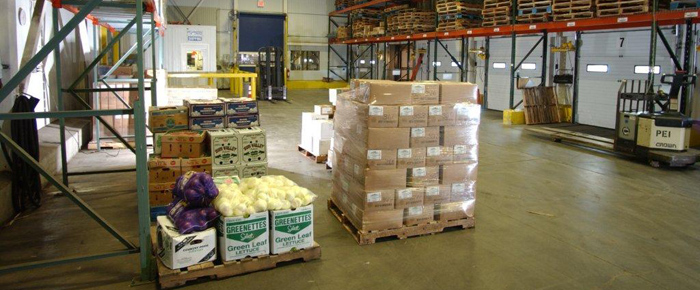
There is a reason why the best restaurants in the world change their menus with the seasons. Seasonal cooking is not just a trend or a marketing gimmick; it is a time-tested approach to food that delivers better flavor, lower costs, and greater customer satisfaction. For restaurants in New England, where the seasons are distinct and dramatic, seasonal menu planning offers a particularly powerful way to connect your food with the rhythms of the region.
At Cara Donna Provision Co., we have been supplying restaurants across New England for over three decades, and we have seen firsthand how seasonal menus benefit the operators who embrace them. This guide provides practical strategies for incorporating seasonal planning into your restaurant's menu development process.
The case for seasonal menu planning rests on several compelling advantages:
Ingredients taste best when they are in season. A tomato picked ripe from a local farm in August bears almost no resemblance to the pale, mealy tomato shipped from thousands of miles away in February. Asparagus in April, corn in July, squash in October, and root vegetables in January all deliver their peak flavor during their natural growing seasons. When you build your menu around these ingredients, the food speaks for itself. Seasonality looks different elsewhere in the world, of course — as we noted in our piece on Italian food traditions in Argentina, tomato season in the Southern Hemisphere peaks in January.
Seasonal ingredients are typically more abundant and less expensive during their peak season. When you are buying strawberries in June rather than December, or butternut squash in October rather than May, you benefit from lower wholesale prices and better product availability. This cost advantage can improve your margins or allow you to invest more in quality without raising menu prices.

Regular customers appreciate variety. A menu that changes with the seasons gives returning guests something new to look forward to while maintaining the core dishes they love. Seasonal specials create a sense of urgency, as diners know that their favorite spring dish will only be available for a limited time, encouraging them to visit more frequently.
Seasonal menus provide natural content for marketing and social media. Announcing a new spring menu, featuring a special autumn harvest dinner, or highlighting the local farms you source from all give you compelling stories to tell your customers.
New England's distinct four-season climate provides a clear framework for seasonal menu planning. Here is a guide to the key ingredients available in each season:
Spring in New England brings a welcome burst of fresh ingredients after the long winter. Key spring products include:
Summer is the season of abundance in New England. The options for seasonal cooking are nearly limitless:
Fall brings the hearty, warming ingredients that define New England autumn cooking:
Winter is the most challenging season for local sourcing in New England, but opportunities still exist:
Implementing seasonal menus does not mean reinventing your entire menu four times a year. Here are practical approaches that work for restaurants of all sizes:
Maintain a core menu with seasonal additions. Keep your most popular, signature dishes on the menu year-round and add seasonal specials or a rotating section that changes with the seasons. This approach gives customers the familiar dishes they love while providing the variety and freshness of seasonal cooking.
Start small. If you have never done seasonal menus before, begin by adding two or three seasonal specials to your existing menu. As you become comfortable with the sourcing, preparation, and marketing of seasonal dishes, you can expand the seasonal portion of your menu.
Plan ahead. Seasonal menu changes should be planned well in advance. Begin developing recipes, sourcing ingredients, and training your kitchen staff at least a month before each seasonal transition. This preparation ensures smooth execution when the new menu launches.
A seasonal menu tells your customers that you care about quality, that you are connected to the rhythms of the region, and that you take pride in offering the very best that each season has to offer.
Work with your distributor. Your wholesale food supplier can be an invaluable resource for seasonal menu planning. At Cara Donna Provision, our sales team stays informed about seasonal product availability, pricing trends, and new products entering the market. We can help you identify the best seasonal ingredients and plan your purchasing accordingly.
Cross-utilize seasonal ingredients. When you bring in a seasonal ingredient, find ways to use it across multiple menu items. If you are buying beautiful heirloom tomatoes for a summer salad, also use them in your bruschetta, on your pizza, and as a pasta sauce component. Cross-utilization maximizes the value of seasonal purchases and reduces waste.
While seasonal menus offer many advantages, it is important to balance seasonal variety with the consistency your customers expect. Some guidelines for maintaining that balance:
When done well, seasonal menu planning positively impacts your bottom line in multiple ways. Lower ingredient costs, reduced waste from using products at peak freshness, increased customer visits driven by menu curiosity, and the ability to command premium prices for special seasonal dishes all contribute to improved profitability.
The USDA provides extensive resources on seasonal food availability and nutrition that can help inform your menu planning process.
Seasonal cooking is one of the oldest and most natural approaches to food. By embracing it in your restaurant, you connect your customers to the land, the farmers, and the traditions that make New England's food culture so special. At Cara Donna Provision, we are here to help you make that connection, one season at a time.
Explore the trends and traditions shaping New England's foodservice industry.
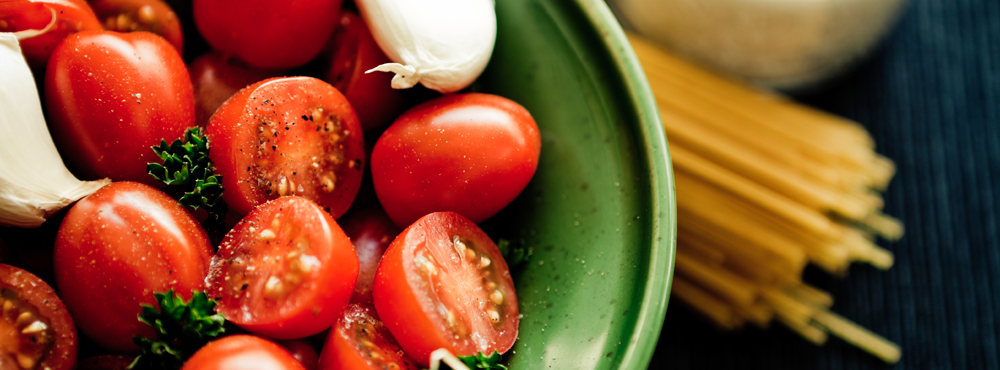
Effective inventory management reduces waste, controls costs, and ensures consistency.
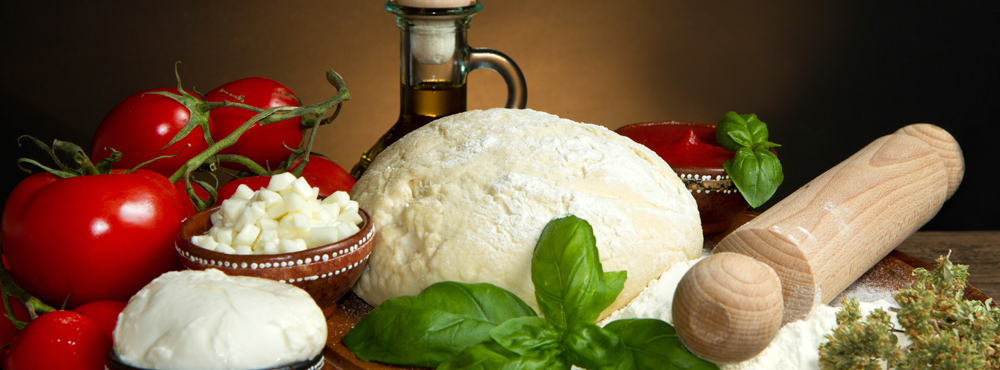
Great pizza starts with great ingredients. Explore how quality impacts every component.