
Italian Specialty Meats: A Guide for Delis and Restaurants
From prosciutto di Parma to sopressata, discover the world of Italian cured meats.
July 22, 2015
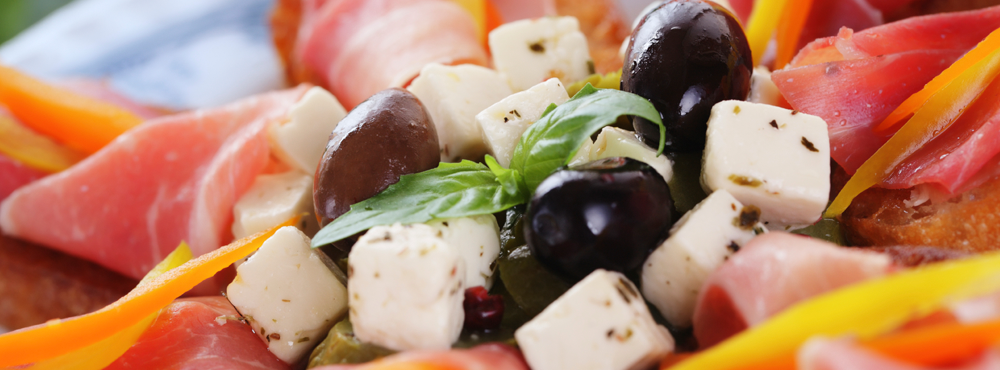
Cheese is one of the most versatile and beloved ingredients in the foodservice industry. It appears on nearly every restaurant menu in some form, from the mozzarella on a pizza to the Parmigiano-Reggiano grated over pasta, from the cheddar on a burger to the Brie on a charcuterie board. For foodservice operators, understanding the different types of cheese, how to store them properly, and how to use them effectively can elevate your menu and improve your margins.
At Cara Donna Provision Co., cheese has always been one of our core product categories. We supply dozens of varieties from Italian, domestic, and specialty producers to restaurants and delis throughout New England. This guide shares the knowledge we have accumulated over more than three decades in the business. Italian cheesemaking traveled far beyond Italy and New England, too — we have looked at what became of Italian cheese traditions in Argentina, from provoleta on the grill to sardo over pasta.
Cheeses are classified in several ways, including by milk type, texture, aging process, and region of origin. For foodservice purposes, understanding cheese by texture and application is most practical.
Fresh cheeses are unaged or minimally aged, with a soft texture and mild, milky flavor. They are highly perishable and must be used quickly after opening.
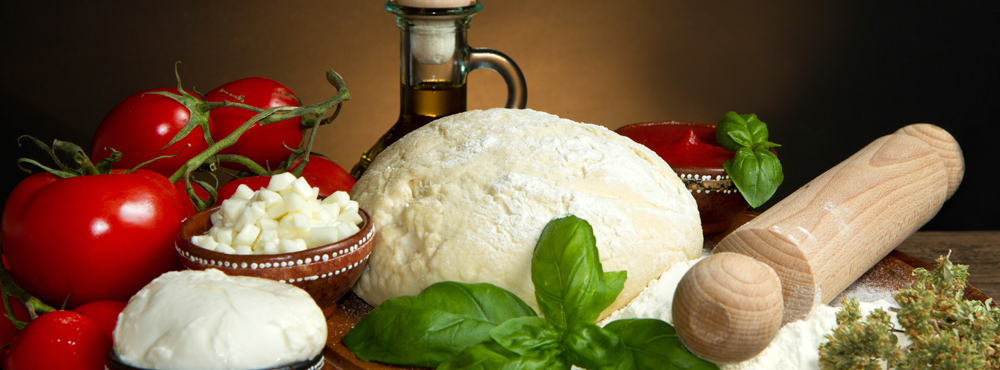
Semi-soft cheeses have a smooth, pliable texture and melt well, making them popular for sandwiches, burgers, and cooking applications.
Hard cheeses are aged for extended periods, developing concentrated flavors and a firm, granular texture. They are typically grated or shaved rather than sliced.
Blue cheeses are characterized by veins of blue-green mold that give them a distinctive sharp, tangy, and sometimes pungent flavor. They add bold flavors to salads, burgers, steaks, and cheese boards.
Cheese is a living product that continues to develop in flavor and texture after it leaves the producer. Proper storage is essential for maintaining quality and preventing waste.
Temperature: Most cheeses should be stored at 34-38°F (1-3°C). Temperatures that are too cold can damage texture and flavor, while temperatures that are too warm accelerate aging and spoilage.
Wrapping: Once opened, cheese should be wrapped tightly to prevent drying out and absorbing odors from other foods. Use cheese paper or wax paper for whole pieces, and plastic wrap or sealed containers for cut portions. Avoid wrapping cheese too tightly in plastic, which can trap moisture and promote mold growth.
Fresh cheeses are the most perishable and should be used within a few days of opening. Keep them in their original liquid (brine, whey) when possible.
Hard cheeses are the most durable. A well-wrapped piece of Parmigiano-Reggiano can last several weeks in the refrigerator. If surface mold develops on hard cheese, simply cut away about one inch around the affected area; the remaining cheese is safe to use.
The USDA provides detailed guidance on handling mold on cheese and other dairy products.
Understanding how different cheeses behave in various applications helps you make better purchasing and menu decisions.
| Application | Best Cheeses | Key Considerations |
|---|---|---|
| Pizza | Low-moisture mozzarella, fresh mozzarella, provolone | Meltability, browning, moisture content |
| Sandwiches | Provolone, fresh mozzarella, cheddar, Swiss | Sliceability, flavor balance, melting properties |
| Pasta | Parmigiano-Reggiano, Pecorino Romano, ricotta | Flavor intensity, texture when heated |
| Charcuterie boards | Mixed selection of 4-6 varieties | Flavor contrast, visual variety, pairings |
| Burgers | American, cheddar, blue cheese, provolone | Melting properties, flavor strength |
| Salads | Gorgonzola, feta, shaved Parmigiano, goat cheese | Crumblability, flavor impact, portion control |
Cheese is not just an ingredient; it is a featured player on your menu. Customers notice the difference between authentic Parmigiano-Reggiano and a domestic imitation, and they appreciate restaurants that invest in the real thing.
Cheese can be one of the most significant food costs in a restaurant. Here are strategies for managing cheese costs without sacrificing quality:
New England has become a hotbed of artisan cheese production. Creameries in Vermont, Massachusetts, Maine, and Connecticut are producing world-class cheeses that rival the best European imports. Featuring local artisan cheeses on your menu supports the regional economy and gives your customers a unique product they cannot find anywhere else.
Your distributor can help you navigate the growing landscape of domestic artisan cheeses and find products that fit your menu and budget. At Cara Donna Provision, we are always expanding our cheese selection to include the best of what local and imported producers have to offer. For a deeper exploration of cheese varieties worldwide, the comprehensive list of cheeses on Wikipedia catalogs hundreds of varieties from around the globe.
From prosciutto di Parma to sopressata, discover the world of Italian cured meats.
Great pizza starts with great ingredients. Explore how quality impacts every component.