
A Comprehensive Guide to Cheese in Foodservice
From fresh mozzarella to aged Parmigiano, learn how to select, store, and feature cheeses on your menu.
December 5, 2010
Italian cured meats represent centuries of culinary craftsmanship and tradition. For delis and restaurants across New England, these specialty products are not just menu items but a direct connection to the artisanal food culture of Italy. At Cara Donna Provision Co., Italian specialty meats have been at the heart of our business since our founding in 1972, and we take great pride in sourcing only the finest products for our customers.
Whether you operate a traditional Italian deli, a sandwich shop, or an upscale restaurant with a charcuterie program, understanding the varieties, proper handling, and best uses for Italian meats will help you deliver an exceptional product to your guests. These traditions did not only cross the Atlantic to North America, either — the story of how Italian food culture conquered Argentina shows the same salumi heritage shaping an entire nation's cuisine.
Italian cured meats, broadly known as salumi, encompass a wide range of products made from pork and other meats. The term is often confused with "salami," which actually refers to a specific subcategory. Here is a guide to the major types you should know.
Prosciutto is perhaps the most recognized Italian meat worldwide. Prosciutto di Parma, produced in the Emilia-Romagna region, is aged for a minimum of 12 months and often up to 24 or 36 months. The result is a delicate, sweet, and nutty flavor with a melt-in-your-mouth texture. Prosciutto di San Daniele, from the Friuli Venezia Giulia region, tends to be slightly sweeter and darker in color.
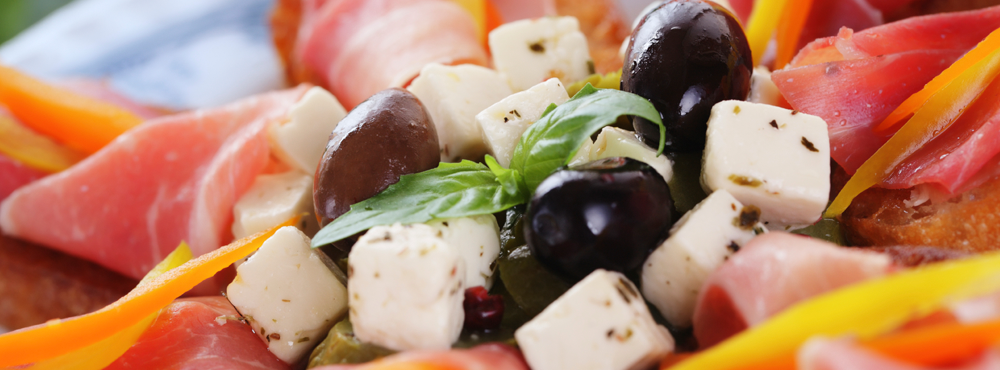
For foodservice, prosciutto is extremely versatile. It can be served on its own as an antipasto, wrapped around melon or breadsticks, layered on sandwiches, draped over pizza after baking, or used to add depth to pasta dishes. The key to serving prosciutto is slicing it paper-thin, which allows the full flavor and delicate texture to come through.

Capicola, also called coppa or gabagool in Italian-American dialect, is made from the pork neck or shoulder muscle. It is seasoned with wine, garlic, and various spices, then dry-cured for several months. The finished product has a rich, slightly spicy flavor with beautiful marbling throughout. Capicola is a staple of Italian-American sub sandwiches and antipasto platters.
Sopressata is a dry-cured salami made from coarsely ground pork. It comes in two primary varieties: sweet (dolce) and hot (piccante). The hot version gets its heat from dried red pepper flakes. Sopressata is pressed during aging, giving it a distinctive flattened shape. It is excellent for antipasto boards, pizza, and sandwiches.
Genoa salami originated in the Genoa region of Italy and is one of the most popular cured meats in America. It is made from pork, seasoned with garlic, black pepper, and red wine, and has a soft, slightly greasy texture. Genoa salami is a standard component of Italian sub sandwiches and cold cut platters.
Mortadella is a large, heat-cured Italian sausage from Bologna. True mortadella is made from finely ground pork studded with cubes of pork fat and often includes pistachios and whole peppercorns. It has a delicate, smooth flavor that is far more refined than the American bologna it inspired. Mortadella has seen a surge in popularity at upscale delis and restaurants, often served as thick-cut slices on sandwiches or cubed for antipasto.
Pancetta is Italian cured pork belly, essentially the Italian counterpart to American bacon. Unlike bacon, pancetta is not smoked. It is cured with salt, black pepper, and sometimes other spices, then rolled and aged. In foodservice, pancetta is used as a flavoring ingredient in pasta sauces, soups, and salads. Diced and rendered pancetta adds rich, savory depth to countless dishes.
Proper storage is critical for maintaining the quality and safety of Italian specialty meats. The USDA Food Safety and Inspection Service provides detailed guidelines for handling cured meat products in commercial settings.
Italian specialty meats offer excellent opportunities to differentiate your menu and increase check averages. Here are some proven approaches:
Charcuterie boards: A well-composed charcuterie board featuring three to five different Italian meats alongside cheeses, olives, roasted peppers, and artisan bread is a high-margin appetizer that showcases the quality of your ingredients. Price it as a shared plate for two to four guests.
Elevated sandwiches: Use premium Italian meats to create signature sandwiches that command higher prices. A sandwich made with imported prosciutto di Parma, fresh mozzarella, and roasted peppers tells a different story than one made with generic deli meat.
Antipasto platters: For catering and large parties, Italian meat and cheese platters are reliable crowd-pleasers. They are easy to prepare, visually impressive, and allow you to showcase a range of products.
The quality of your Italian meats speaks directly to the quality of your establishment. Customers who know the difference between domestic and imported prosciutto will notice, and they will come back.
When sourcing Italian specialty meats, look for products with recognized certifications. DOP (Denominazione di Origine Protetta) is a European Union certification that guarantees a product was made in a specific region using traditional methods. Products like Prosciutto di Parma DOP and Mortadella Bologna IGP carry these designations as assurance of authenticity and quality.
Domestic producers also make excellent Italian-style meats. Companies like Daniele, Citterio, and Fratelli Beretta produce high-quality products in the United States that offer a strong balance of authenticity and value. Your distributor can help you evaluate the options and find the right products for your menu and price point.
A specialty distributor like Cara Donna Provision can be an invaluable resource for building your Italian meat program. Our sales team can arrange product tastings, help you compare brands and price points, suggest menu applications, and keep you informed about seasonal availability and new products entering the market.
We encourage our customers to taste before they buy. Italian specialty meats vary significantly in flavor, texture, and quality from one producer to another, and the right choice depends on your specific menu, customer base, and budget. To learn more about the history and traditions behind Italian cured meats, the Wikipedia article on salumi provides a good overview of the major categories and regional variations.
From fresh mozzarella to aged Parmigiano, learn how to select, store, and feature cheeses on your menu.
Great pizza starts with great ingredients. Explore how quality impacts every component.