
A Comprehensive Guide to Cheese in Foodservice
From fresh mozzarella to aged Parmigiano, learn how to select, store, and feature cheeses on your menu.
December 5, 2010
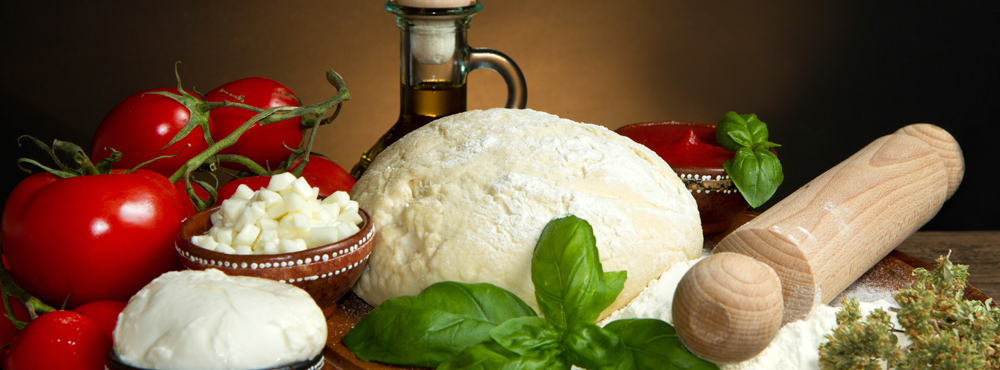
Pizza is deceptively simple. At its core, it is just dough, sauce, cheese, and toppings. But anyone who has tasted the difference between a mediocre pie and an exceptional one knows that the quality of each ingredient matters enormously. In the competitive New England pizza market, where discerning customers have strong opinions about their pies, ingredient quality can be the factor that sets your pizzeria apart.
At Cara Donna Provision Co., we have been supplying pizza ingredients to restaurants and pizzerias across New England for over four decades. We have seen firsthand how upgrading even a single ingredient can transform a pizza from ordinary to outstanding. In this guide, we break down the major pizza components and explain why quality matters for each one.
The dough is the foundation of every pizza, and flour is the most important ingredient in your dough. The type and quality of flour you use will determine the texture, flavor, chewiness, and structure of your crust.
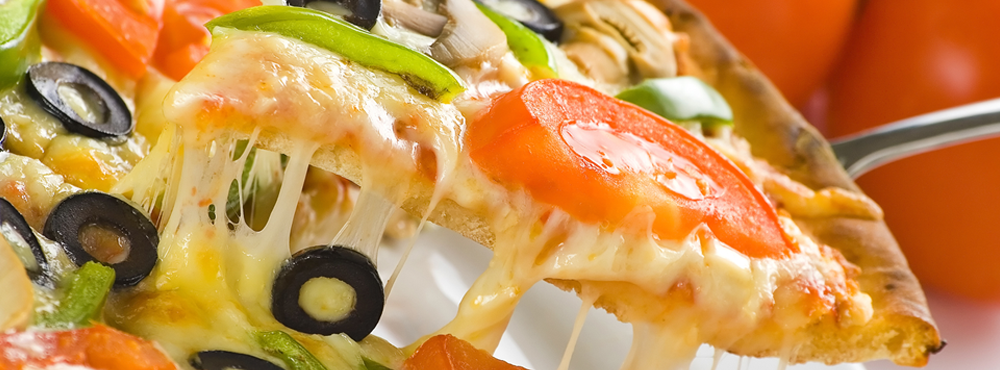
Protein content matters. High-gluten flour (14-15% protein) produces a strong, chewy crust that can support heavy toppings. This is the standard choice for New York-style pizza. All-purpose flour (10-12% protein) yields a softer, more tender crust suitable for thin-crust styles. Italian-style 00 flour (very finely milled, about 11-12% protein) is the traditional choice for Neapolitan pizza, producing a light, airy crust with characteristic charring.
Consistency is critical. The best pizzerias develop their dough recipes around specific flour brands and maintain consistency by sticking with the same product. Switching flours, even to a similar-sounding alternative, can change your dough's hydration, rise time, and finished texture. Work with your distributor to find a flour that meets your specifications and then stay with it.
Other dough ingredients: Water, yeast, salt, sugar, and olive oil also play important roles. Use filtered water if your local water supply has a strong mineral or chlorine content, as these can affect yeast activity and flavor. High-quality extra virgin olive oil adds flavor and improves the texture of the finished crust.
Pizza sauce is where the flavor personality of your pie really comes through. Whether you make sauce from scratch or use a prepared product, the quality of your tomatoes is paramount.
San Marzano tomatoes are widely considered the gold standard for pizza sauce. Grown in the volcanic soil near Mount Vesuvius in Italy, authentic San Marzano tomatoes (look for the DOP certification) have a sweet, less acidic flavor with a thick, meaty flesh that reduces down into a rich, concentrated sauce. Domestic alternatives grown in California's San Joaquin Valley can also produce excellent results at a lower price point.
Crushed vs. whole vs. pureed: The form of your canned tomatoes affects the texture of your sauce. Many pizzerias prefer to start with whole peeled tomatoes and hand-crush or blend them to their desired consistency. This gives you more control over texture than starting with a pre-crushed or pureed product.
Seasoning simplicity: The best pizza sauces keep seasoning simple to let the tomato flavor shine. Salt, dried oregano, garlic, and a touch of olive oil are the traditional components. Avoid over-seasoning, as the sauce needs to complement, not compete with, the cheese and toppings.
Mozzarella is the defining cheese of pizza, and the type and quality you use will have a dramatic impact on your finished product. There is a significant range of options available, from premium fresh mozzarella to economical part-skim varieties.
Fresh mozzarella (fior di latte) is a soft, high-moisture cheese that delivers a creamy, milky flavor and a beautiful appearance when melted. It is the traditional choice for Neapolitan-style pizza. The downside is that its high moisture content can make pizza soggy if not managed properly. Many pizzerias slice it thin and let it drain before applying it to the pizza.
Low-moisture whole-milk mozzarella is the workhorse cheese of American pizzerias. It melts into a smooth, stretchy blanket with excellent browning characteristics and a balanced flavor. This is the standard for New York-style pizza and most takeout and delivery operations. Brands like Grande, Polly-O, and Galbani are popular choices in the Northeast.
Low-moisture part-skim mozzarella is a more economical option with slightly less fat and moisture. It browns more readily and has a firmer texture when melted. While it works well for many applications, side-by-side comparisons reveal a noticeable difference in richness and flavor compared to whole-milk varieties.
The difference between good cheese and great cheese on a pizza is not subtle. Your customers can taste it, and they will pay more for a pie that uses the real thing.
Toppings are where you can truly differentiate your pizza and showcase premium ingredients. Here are the categories that matter most:
Pepperoni is the most popular pizza topping in America, and quality varies enormously between brands. Premium pepperoni has a balanced spice profile, good fat content for flavor, and the right diameter and thickness for your pizza size. Cup-and-char style pepperoni, which curls into small cups when baked and collects pools of flavorful oil, has become increasingly popular and is worth offering as a premium option.
Italian sausage is the second most popular meat topping. Whether you use links that you crumble in-house or pre-formed sausage crumbles, the quality of the pork and the seasoning blend make a significant difference. Consider making your own sausage blend using fresh ground pork and your signature spice mix for a truly unique product.
For more information on premium Italian meats for pizza, see our guide to Italian specialty meats.
Fresh vegetables should be just that: fresh. Wilted mushrooms, soft peppers, and pale onions telegraph low quality to your customers. Source the freshest produce available and prep it daily. Consider roasting or sauteing vegetables before applying them to the pizza, which concentrates flavors and removes excess moisture.
Upscale toppings like prosciutto di Parma, fresh basil, truffle oil, burrata, and roasted garlic allow you to create premium pies that command higher prices. These toppings should be applied after baking when possible to preserve their delicate flavors and textures.
Higher-quality ingredients cost more, but that does not mean every pizzeria needs to use the most expensive option in every category. The key is to identify the ingredients that have the biggest impact on your specific product and invest there.
For most pizzerias, cheese represents the largest ingredient cost. Upgrading from a part-skim to a whole-milk mozzarella might add 15-25 cents per pie but can justify a price increase of a dollar or more. Similarly, upgrading your pepperoni from a commodity brand to a premium option is relatively inexpensive per pie but noticeably improves the finished product.
Track your food costs carefully and experiment with ingredient upgrades on a small scale. Offer a "premium" or "artisan" pizza alongside your standard menu to test customer willingness to pay for better ingredients. You may find that the premium option quickly becomes your best seller.
Your wholesale food distributor should be a resource for discovering and evaluating pizza ingredients. At Cara Donna Provision, our sales team includes people who have spent their careers in the pizza and Italian food business. We can arrange tastings, provide samples of different brands and grades, and help you calculate the cost impact of ingredient changes. For further reading on pizza traditions and techniques, the history of pizza provides fascinating context on how this beloved food has evolved over centuries.
Great pizza starts with great ingredients, and great ingredients start with a distributor who understands what quality means. Contact us to discuss how Cara Donna Provision can help you elevate your pizza program.
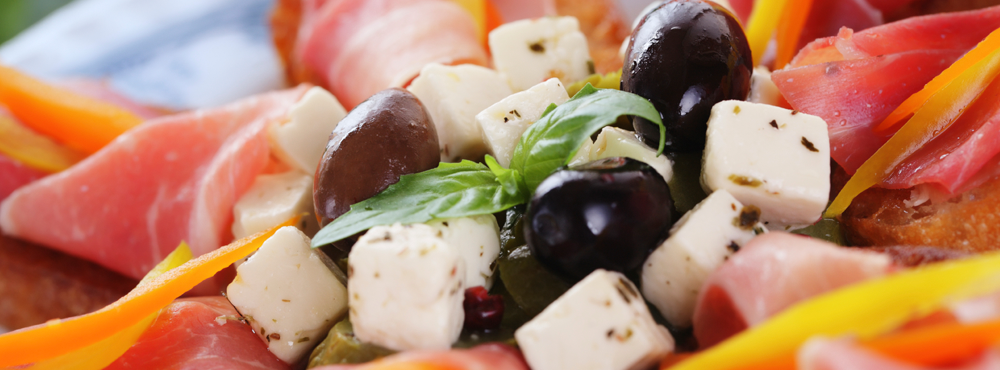
From fresh mozzarella to aged Parmigiano, learn how to select, store, and feature cheeses on your menu.
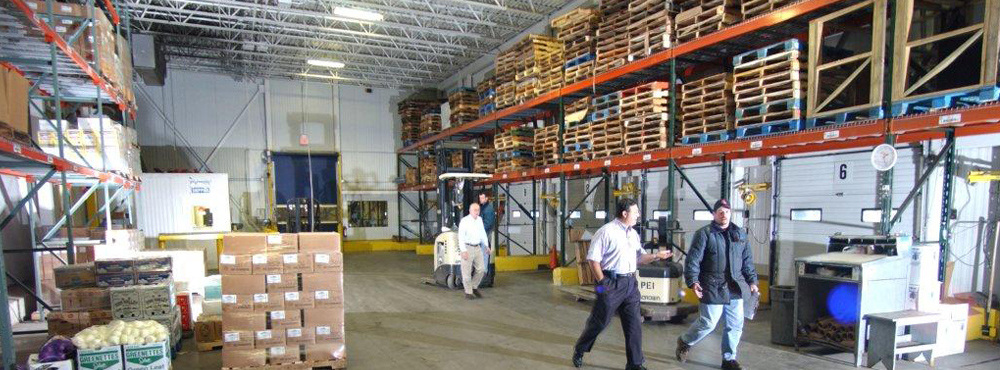
From prosciutto di Parma to sopressata, discover the world of Italian cured meats.
Keep your offerings fresh with seasonal menus that highlight the best ingredients each season has to offer.