
Family Business Values in the Foodservice Industry
Family-owned businesses form the backbone of the American foodservice industry.
June 22, 2009
New England holds a unique place in the American culinary landscape. From the clam shacks of coastal Maine to the Italian bakeries of Boston's North End, from the farm stands of Vermont to the Portuguese restaurants of New Bedford, the region's food culture is as diverse and layered as its history. For those of us in the foodservice distribution business, understanding the traditions, trends, and economic forces that shape this market is essential to serving our customers well.
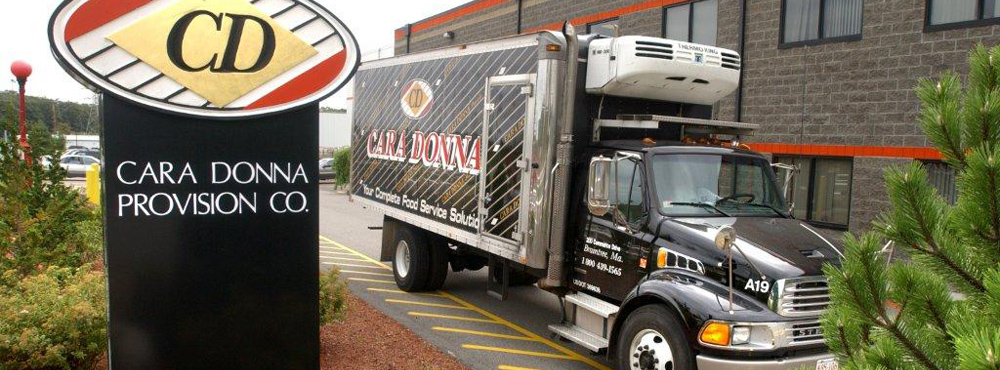
At Cara Donna Provision Co., we have been part of the New England food industry since 1972. Over those decades, we have witnessed significant changes in how restaurants operate, what consumers demand, and how food moves from producer to plate. This article explores the key trends and enduring traditions that define the New England foodservice industry today.
New England's culinary identity has been profoundly shaped by waves of immigration. Italian, Irish, Portuguese, Greek, French-Canadian, and more recently Latin American and Asian communities have each left their mark on the region's restaurant landscape.
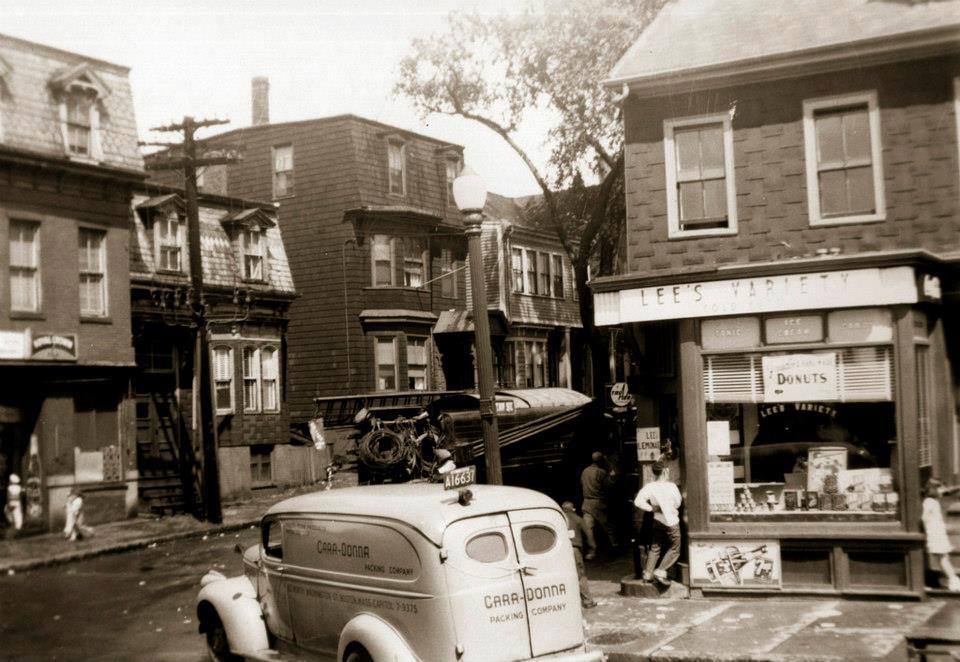
The Italian-American influence is particularly strong in cities like Boston, Providence, and New Haven. Italian immigrants brought with them traditions of charcuterie, cheese-making, bread baking, and pasta production that became the foundation for many of the delis, pizzerias, and restaurants that still operate today. Companies like Cara Donna Provision grew up serving these establishments, and Italian provisions remain at the heart of what we do.
Portuguese communities in southeastern Massachusetts and Rhode Island created a distinctive food culture built around seafood, chourico sausage, sweet bread, and hearty stews. Greek communities in cities like Lowell brought their own traditions of grilling, baking, and olive oil-based cooking. Each of these traditions has influenced the broader restaurant culture and created demand for specialty products that discerning distributors must carry.
Seafood is woven into New England's identity. The region's extensive coastline and rich fishing grounds have supported a seafood industry for centuries, and seafood remains a defining feature of New England restaurants. Lobster, clams, oysters, cod, haddock, scallops, and swordfish are staples that visitors and locals alike expect to find on menus throughout the region.
The traditional New England clam shack, serving fried clams, lobster rolls, and chowder, remains an enduring part of the summer foodservice landscape. At the same time, upscale restaurants have elevated New England seafood with refined preparations, raw bars, and sustainable sourcing practices. According to the National Oceanic and Atmospheric Administration, New England ports consistently rank among the most valuable in the nation for commercial fishing landings.
The farm-to-table movement has found particularly fertile ground in New England. The region's strong tradition of small-scale agriculture, combined with a well-educated and food-conscious consumer base, has created robust demand for locally sourced ingredients.
Vermont's dairy farms, Massachusetts cranberry bogs, Maine's wild blueberry fields, and Connecticut's apple orchards are just a few examples of the agricultural assets that New England restaurants draw upon. Farmers' markets have proliferated across the region, and many restaurants now list their local farm suppliers on their menus as a point of pride.
For distributors, the farm-to-table trend creates both challenges and opportunities. Customers increasingly want to know where their food comes from, and they value distributors who can provide sourcing transparency. At the same time, the practical realities of New England agriculture mean that local sourcing has natural seasonal limitations. The growing season is short, and winter weather can disrupt supply chains. Successful operators learn to balance local sourcing aspirations with the practical need for reliable year-round supply.
New England has seen a significant shift toward casual and fast-casual dining concepts over the past decade. Gourmet burger restaurants, artisan pizza shops, farm-to-table bistros, and ethnic food halls have all expanded rapidly across the region. These concepts often emphasize high-quality ingredients in a relaxed setting, which creates opportunities for distributors who can supply premium products at reasonable price points.
New England diners are among the most knowledgeable in the country. They know the difference between imported Parmigiano-Reggiano and domestic parmesan, and they are willing to pay for quality.
The growth of food trucks and pop-up restaurants has also added a new dimension to the New England foodservice landscape. These mobile operations need flexible, responsive suppliers who can accommodate smaller order volumes and changing menus.
Running a restaurant in New England has never been easy, and several economic factors make it particularly challenging today:
These pressures make it even more important for restaurants to work with distributors who understand the regional market and can help them manage costs without sacrificing quality.
One of the defining characteristics of New England's foodservice industry is the strong tradition of independent, often family-owned restaurants. While national chains have a presence, independent restaurants hold a larger market share in New England than in many other parts of the country. Cities like Boston, Portland, and Providence are known for their vibrant independent dining scenes.
This independent spirit extends to the distribution side as well. Regional and family-owned distributors like Cara Donna Provision play a vital role in serving the unique needs of independent operators. We understand that a family-run Italian restaurant in Worcester has different needs than a corporate chain, and we tailor our service accordingly.
The New England food industry will continue to evolve as consumer preferences change, demographics shift, and economic conditions fluctuate. Several trends bear watching:
Through all of these changes, the fundamentals remain constant: people need to eat, and they want to eat well. The restaurants, delis, and foodservice operators that succeed will be those that stay connected to their customers and their communities, and that work with partners who share their commitment to quality. At Cara Donna Provision, we are proud to be one of those partners, and we look forward to continuing to serve the New England food industry for years to come.
For a broader perspective on New England's culinary heritage, the Wikipedia article on New England cuisine offers an excellent overview of the region's food traditions.
Family-owned businesses form the backbone of the American foodservice industry.
Seasonal menus keep your offerings fresh, reduce costs, and delight your guests.
Understanding the foodservice distribution chain is essential for any restaurant owner.