
The New England Food Industry: Trends and Traditions
Explore the trends driving the New England foodservice industry, from farm-to-table to changing demographics.
May 20, 2012
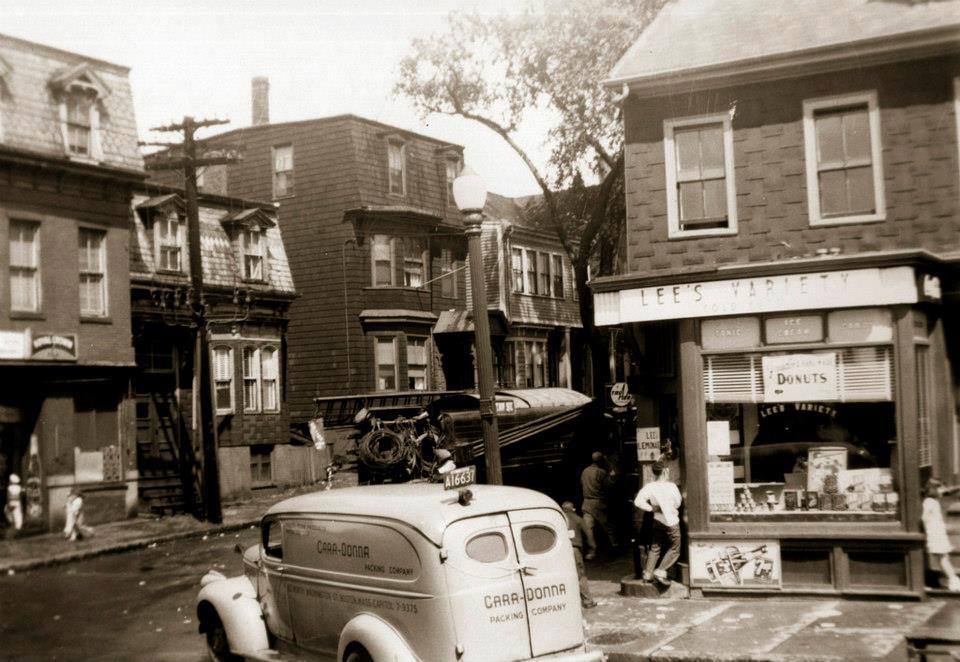
The American foodservice industry is built on the foundations laid by family businesses. From the corner pizzeria passed down through generations to the regional wholesale distributor whose trucks are a familiar sight on local highways, family-owned companies play a vital and often underappreciated role in feeding our communities. At Cara Donna Provision Co., we are proud to count ourselves among these family businesses, and we believe the values that guide family enterprises are more relevant today than ever.
Our story began in 1972 when the first generation of the Cara Donna family started delivering Italian provisions to restaurants and delis in the greater Boston area. What started as a small operation with a single truck has grown into one of New England's respected specialty food distributors, now in its third generation of family leadership. Along the way, the core values that defined our company from the beginning have never changed.
In an industry increasingly dominated by large corporations and automated systems, the personal touch of a family business remains a powerful differentiator. When you work with a family-owned distributor, you are not an account number in a computer system. You are a partner in a relationship that both parties have a personal stake in maintaining.
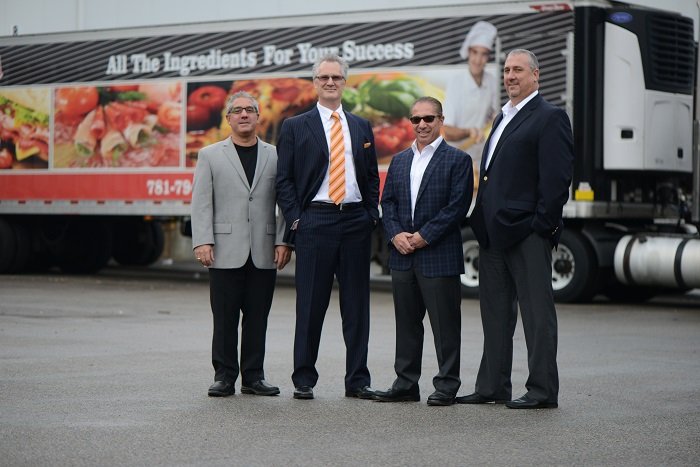
Our customers know the names of the people who run our company. They can pick up the phone and speak directly to a decision-maker when they have a problem or a special request. That accessibility and accountability is something that large corporations, regardless of their size and resources, struggle to replicate.
Personal relationships also mean personal accountability. When a family's name is on the truck and on the invoice, there is a level of pride and responsibility that goes beyond what any corporate policy manual can instill. Every delivery, every product, and every interaction reflects on the family, and that awareness drives a commitment to quality and service that runs deep.
One of the most significant advantages of family businesses is their orientation toward the long term. While publicly traded companies face pressure to deliver quarterly earnings, family businesses can think in terms of decades and generations. This long-term perspective influences every aspect of how they operate.
Customer relationships: A family business invests in customer relationships that will last for years, not just until the next contract renewal. At Cara Donna, some of our customer relationships span two and three generations on both sides of the partnership. The grandchildren of our original customers are now running their own restaurants and ordering from the grandchildren of our founders.
Employee retention: Family businesses tend to have lower employee turnover because they create work environments where people feel valued and connected to a larger purpose. Many of our warehouse and delivery team members have been with us for over a decade, and that continuity translates into better service for our customers.
Reinvestment: Rather than distributing all profits to shareholders, family businesses often reinvest heavily in their operations, upgrading equipment, expanding capacity, and improving systems to serve customers better over the long haul.
Trust is the currency of business relationships, and family businesses earn it through consistent, honest dealings over extended periods. In the food distribution business, trust manifests in many ways:
In the food business, your word is everything. When a family's reputation is at stake with every delivery, you can be sure that maintaining trust is the top priority.
These forms of trust are not built through marketing campaigns or mission statements. They are built through thousands of individual interactions over years of doing business together. Family businesses understand this because their reputation is personal, not corporate.
Family businesses have demonstrated remarkable resilience through economic downturns, industry disruptions, and changing market conditions. The foodservice industry has faced numerous challenges over the decades, from recessions and commodity price spikes to changing consumer preferences and new regulations. Family businesses often weather these storms better than their corporate counterparts because of their ability to make quick decisions, their conservative financial management, and their deep roots in the communities they serve.
According to the U.S. Small Business Administration, family-owned businesses account for a significant share of GDP and employment in the United States. Their contribution to economic stability, particularly in local and regional markets, is substantial.
One of the greatest challenges facing family businesses is succession planning. Transitioning leadership from one generation to the next requires careful planning, open communication, and a willingness to balance tradition with innovation.
At Cara Donna Provision, we have navigated two generational transitions, and each one has brought new energy and ideas while preserving the values that define our company. The second generation expanded our product line and delivery territory. The third generation has invested in technology, modernized our ordering systems, and developed new customer service capabilities. Through each transition, the commitment to quality, personal service, and community involvement has remained constant.
Successful succession planning requires several key elements:
Family businesses are typically deeply embedded in their local communities. They sponsor local sports teams, contribute to charitable causes, hire from the neighborhood, and participate in community events. This connection is not just about philanthropy; it reflects a genuine sense of belonging and responsibility that comes from being a family with roots in a specific place.
For foodservice operators who share these values, working with a family-owned supplier is a way to reinforce their own commitment to community. When you buy from a family business, you know that the money stays in the local economy, supporting local jobs and local families.
In a business landscape that sometimes seems to favor size and scale above all else, family businesses offer something that no corporation can replicate: a personal commitment to every customer, every product, and every relationship. The values that guide family businesses, including trust, integrity, accountability, and long-term thinking, are not old-fashioned ideals. They are practical advantages that create better business outcomes for everyone involved.
At Cara Donna Provision, we are honored to serve the restaurants and delis of New England, and we are committed to carrying our family values forward into the future. If you value the kind of personal service and genuine partnership that only a family business can provide, we invite you to learn more about what makes us different. The history and characteristics of family businesses make for fascinating reading that helps explain why these enterprises continue to thrive generation after generation.
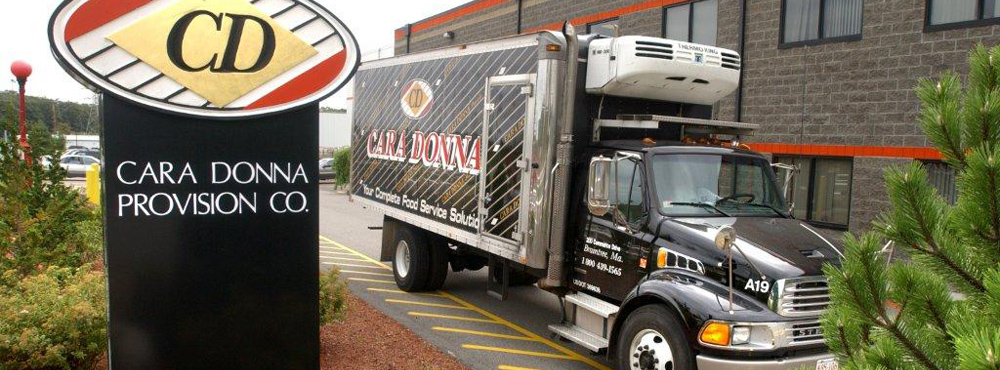
Explore the trends driving the New England foodservice industry, from farm-to-table to changing demographics.
Key criteria for evaluating wholesale food suppliers for your restaurant.

Understanding the foodservice distribution chain is essential for any restaurant owner.