
A Guide to Foodservice Distribution: What Restaurants Need to Know
Understanding how foodservice distribution works and how to build strong supplier relationships.
February 15, 2016
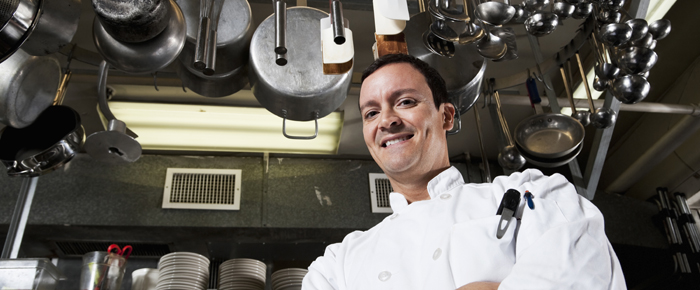
Choosing the right wholesale food supplier is one of the most consequential decisions a restaurant owner or foodservice operator will make. Your supplier directly affects the quality of food you serve, the consistency of your menu, your operating costs, and ultimately your profitability. A great supplier becomes a true business partner, while a poor one can create endless headaches with inconsistent deliveries, substitutions, and quality issues.
With decades of experience serving restaurants and delis across New England, we at Cara Donna Provision understand what makes a supplier relationship work. This guide walks through the essential criteria you should evaluate when selecting or changing your wholesale food supplier.
The first and most important criterion is whether a supplier carries the products you need at the quality level your menu demands. Not all distributors are created equal when it comes to product quality.

Request product samples. Any reputable distributor will be happy to provide samples of key products before you commit to an account. Taste the cheeses, examine the produce, and evaluate the meats. Compare them side by side with what you currently use.
Review product specifications. Ask for detailed product spec sheets that include information about sourcing, ingredients, pack sizes, shelf life, and storage requirements. A distributor that can provide this level of detail takes quality seriously.
Ask about brands. Does the distributor carry the specific brands you prefer? Do they offer both premium imported products and reliable domestic alternatives? A good supplier gives you options at different price points without sacrificing baseline quality.
Evaluate the breadth of selection. Consider whether the distributor's product catalog covers enough of your needs. Some operators prefer to consolidate purchasing with one or two distributors, while others work with multiple specialty suppliers. There are advantages and trade-offs with each approach.
Price matters, but the cheapest option is not always the best value. When evaluating pricing from potential suppliers, consider the total cost of doing business with each one.
According to data from the National Restaurant Association, food and beverage costs typically represent 28-35% of a restaurant's total revenue. Even small improvements in purchasing efficiency can have a meaningful impact on your bottom line.
A distributor with great products and pricing is of little use if they cannot deliver consistently. Delivery reliability is a critical factor that directly impacts your ability to serve your customers.
Delivery frequency: How often does the distributor deliver to your area? Most restaurants need at least two deliveries per week, and high-volume operations may need daily service. Make sure the distributor's route schedule matches your needs.
Delivery windows: When will your order arrive? If your kitchen needs products by 8 AM to prep for lunch service, a distributor whose trucks do not reach your area until noon is not a good fit, regardless of everything else.
Order cutoff times: What is the deadline for placing or modifying orders before delivery? A flexible cutoff time gives you more ability to adjust orders based on actual needs.
Track record: Ask for references from other customers in your area. Find out whether deliveries consistently arrive on time, whether orders are accurate, and how the distributor handles problems when they arise.
The quality of customer service you receive can make the difference between a productive supplier relationship and a frustrating one.
Your distributor's sales representative should be more than an order taker. They should be a knowledgeable advisor who helps you manage costs, discover new products, and solve problems.
Dedicated sales representative: Will you be assigned a dedicated rep who knows your business, or will you deal with a different person every time you call? Consistent representation builds understanding and accountability.
Problem resolution: How does the distributor handle shorts, damaged products, or quality complaints? A good distributor resolves issues quickly with credits, replacements, or adjustments. Ask about their credit and return policies.
Communication tools: Does the distributor offer online ordering, electronic invoicing, and order tracking? These tools save time and reduce errors compared to phone or fax ordering alone.
Your distributor's food safety practices directly affect the safety of the products you serve. Ask potential suppliers about their food safety programs and certifications.
A distributor that invests in food safety infrastructure and training demonstrates a commitment to quality that benefits your operation. The FDA's food safety resources provide guidance on what to expect from responsible food suppliers.
For restaurants in New England, working with a distributor who knows the regional market can be a significant advantage. A local or regional distributor understands the seasonal patterns, knows the local suppliers and producers, and has relationships with the same communities you serve.
National distributors offer scale and broad product selection, but they may lack the personal attention and regional expertise that a family-owned distributor like Cara Donna provides. Many successful restaurants work with both: a broadline national distributor for commodity items and a specialty regional distributor for the products that define their menu.
Your food supplier is a critical dependency for your business. A supplier that is financially unstable or has a poor industry reputation can put your operation at risk. Ask how long they have been in business, inquire about their financial stability, and check references. Look for suppliers with established track records and strong relationships in the industry.
Choosing a wholesale food supplier is not a decision to rush. Take the time to evaluate multiple options, request and compare samples, check references, and negotiate terms. Start with a trial period if possible, ordering a limited selection of products before committing your full account.
The best supplier relationships are long-term partnerships built on mutual respect, clear communication, and shared commitment to quality. At Cara Donna Provision, we have maintained relationships with some of our customers for over 30 years, and those partnerships are the foundation of our business.
If you are a restaurant or deli operator in New England looking for a wholesale food supplier, we invite you to contact our team. We would be happy to discuss your needs, arrange product tastings, and show you why three generations of foodservice operators have trusted Cara Donna Provision.
Understanding how foodservice distribution works and how to build strong supplier relationships.

Effective inventory management reduces waste, controls costs, and ensures you never run out of key ingredients.
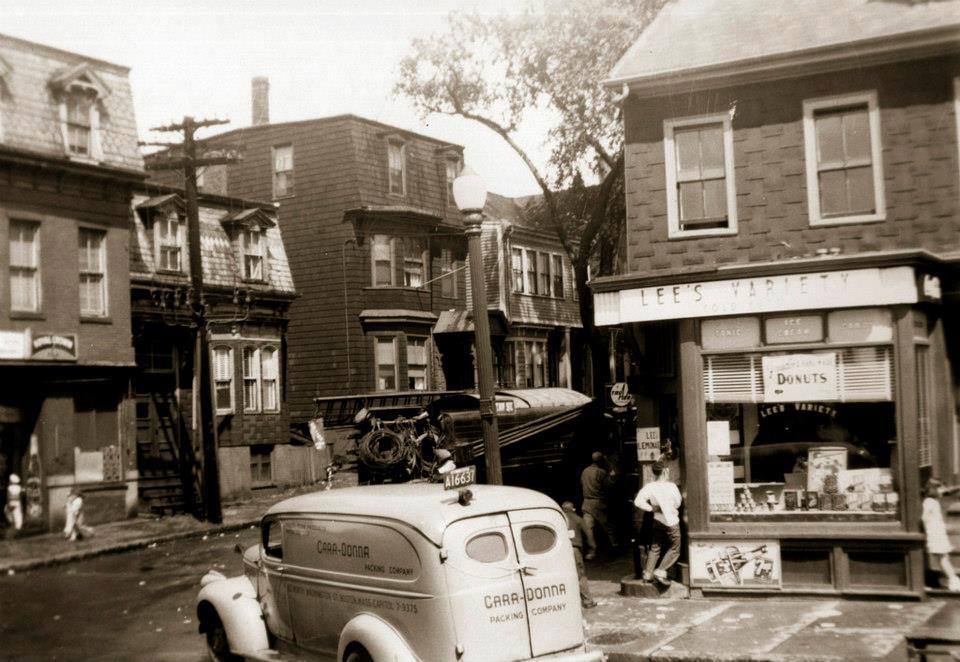
Family-owned businesses form the backbone of the American foodservice industry.